
A massage can release stress, soothe muscles and alleviate pain.
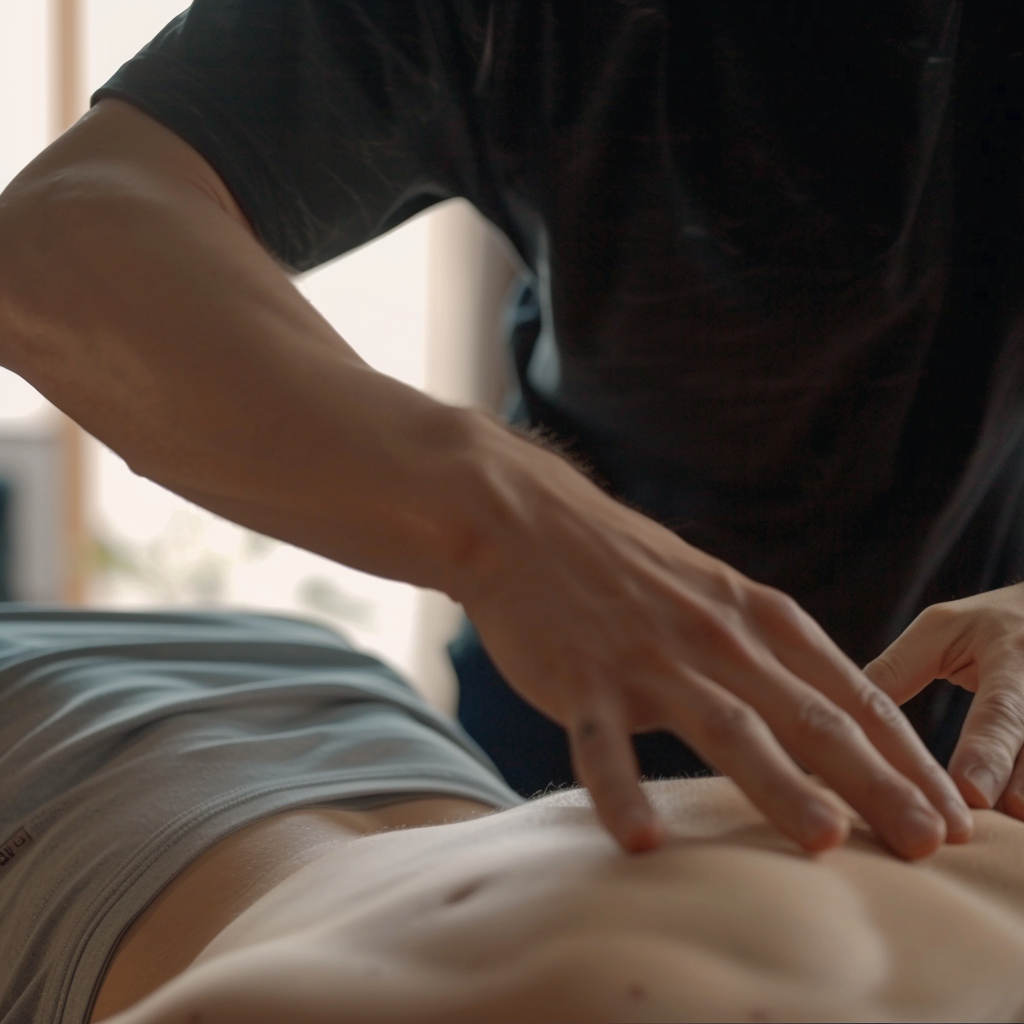
In today’s fast-paced world, stress and muscle tension are almost inevitable companions. Many of us turn to over-the-counter pain relievers to cope, but there’s a more natural and effective solution available: massage therapy. Massage is a powerful tool for relaxation, pain relief, and easing muscle tension. Let’s explore the various types of massage therapy and their benefits to understand how they can contribute to your overall wellness.
What is Massage Therapy?
Massage therapy, performed by a licensed therapist, involves the use of different pressures, movements, and techniques to manipulate muscles and other soft tissues in the body. The primary goal is to slow down your nervous system, helping to release stress and tension, provide symptom relief, heal injuries, and support overall wellness.
Types of Massage Therapy
Massages come in various forms, each with its unique benefits. Here are some common types:
Swedish Massage
If you’re feeling stressed, a Swedish massage might be the perfect choice. This full-body massage uses a gentle touch to calm the nervous system, encouraging a relaxed emotional state that directly impacts your muscles. It’s an excellent option for massage novices.
Deep Tissue Massage
For those with tight muscles due to repeated use or poor posture, deep tissue massage offers significant relief. This technique targets deeper muscle layers and tendons, releasing tightness and alleviating chronic muscle pain.
Reiki Qi Gong Massage
Reiki is a soothing energy healing technique that promotes relaxation, reduces stress, and facilitates the body’s natural healing processes through the transfer of universal energy from the practitioner’s palms to the patient.
Sports Massage
Athletes and dancers often subject their muscles to intense use. Sports massages are tailored to address the specific muscle groups affected by repetitive physical activity. They help break up muscle tightness and address sports-related injuries.
Trigger Point Massage
Trigger points, or muscle knots, can cause significant discomfort. Trigger point massage applies focused pressure to these spots, increasing blood flow and helping them release. It’s especially beneficial for chronic pain sufferers.
Myofascial Release
The fascia, a web of connective tissue under the skin, supports muscles and facilitates movement. Myofascial release involves kneading and stretching the muscles and fascia to release tension, often combined with other therapeutic techniques.
Lymphatic Massage
This gentle massage helps lymphatic fluid flow more freely, reducing inflammation and removing waste products from the body. It’s beneficial for individuals with conditions like arthritis or those recovering from surgeries involving lymph node removal.
Prenatal Massage
Expectant mothers can benefit greatly from prenatal massages, which alleviate pressure on the hips and reduce swelling in the feet and legs. Relaxed and comfortable mothers positively impact their babies, making prenatal massage doubly beneficial.
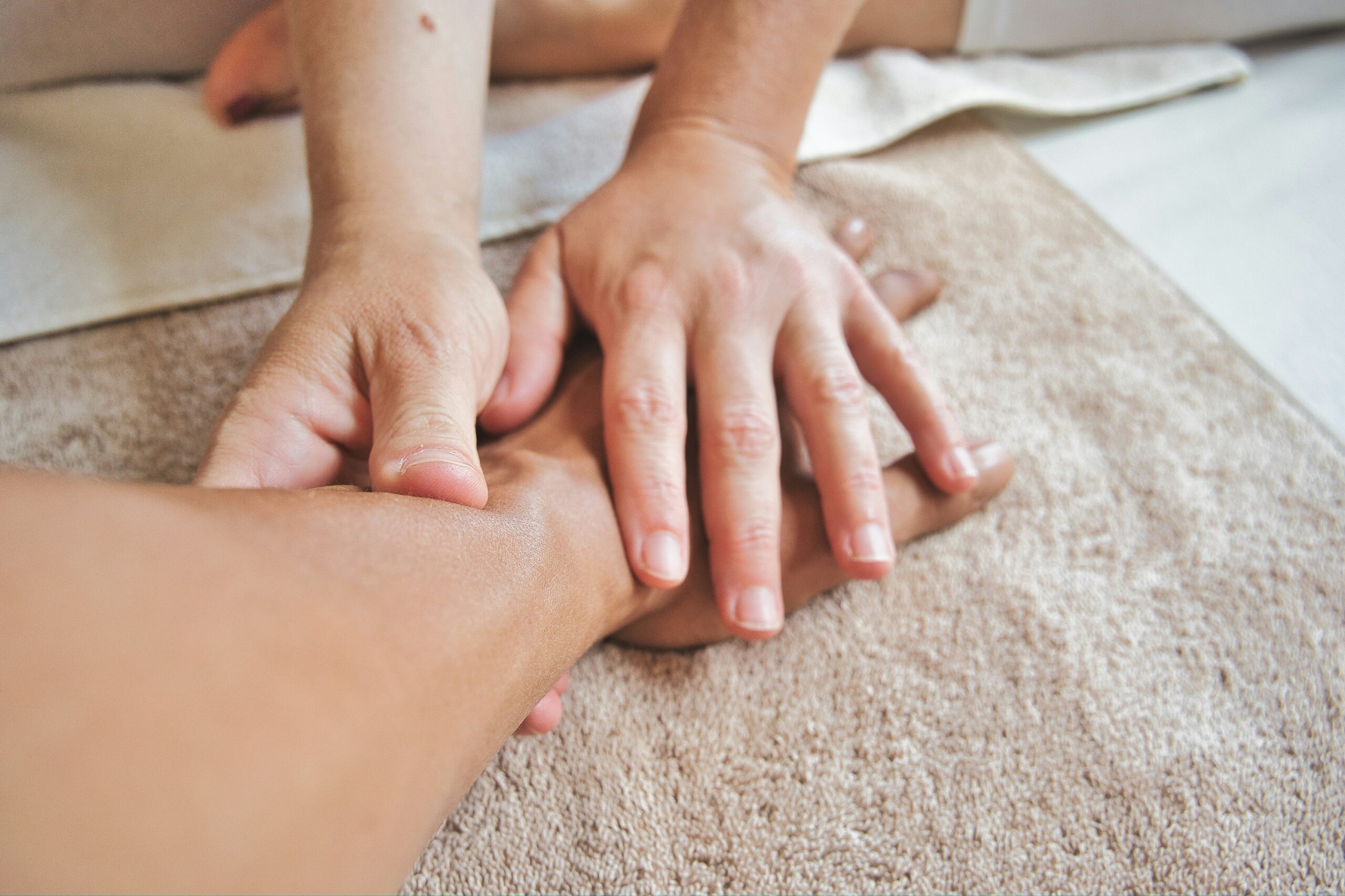
Health Benefits of Massage
Massage therapy offers numerous health benefits, making it a valuable addition to your wellness routine:
Reduces Stress and Anxiety
Massages can significantly reduce stress and anxiety by increasing your parasympathetic nervous system’s response, promoting relaxation and a sense of calm.

Improves Sleep
By decreasing cortisol (a stress hormone) and increasing serotonin and dopamine levels, massages help stabilize your mood and improve sleep quality, especially beneficial for those with insomnia related to menopause or heart failure.
Lessens Pain and Muscle Tension
Research shows that massage can provide short-term relief for acute back pain, neck pain, headaches, and knee pain. Regular sessions yield better results for pain management.
Improves Immune Function
Regular massages may boost your immune system by increasing white blood cell levels, helping your body fight off viruses.
Relieves Constipation
An abdominal massage can aid in bowel movements for those dealing with postoperative constipation.
Lessens Fibromyalgia Symptoms
Over five weeks, massage therapy can improve symptoms like sleep, memory, and mood in fibromyalgia patients.
Relieves Cancer Pain
For those undergoing cancer treatment, massage can help reduce pain, promote relaxation, and improve quality of life.
Who Should Try Massage Therapy?
Almost anyone can benefit from massage therapy. It’s a great way to improve wellness and manage pain. If you have a medical condition, consult your doctor and communicate with your massage therapist. For pregnant women, prenatal massages can alleviate pain and swelling effectively.
Finding the Right Massage Therapist
Choosing a reputable massage therapist is crucial. Ask for recommendations from your primary care provider or trusted individuals. When selecting a therapist, inquire about their licensing, training, experience, session costs, and insurance coverage. A skilled therapist will tailor their techniques to your needs and respond to your feedback.


 Expel Coldness&Dampness