
In our fast-paced, ever-demanding world, self-care has become a crucial practice for maintaining overall well-being. Far from being a luxury, self-care is a necessity for achieving balance and harmony in our lives. It involves intentionally taking steps to care for your physical, emotional, and mental health. Here’s a comprehensive guide to incorporating self-care into your daily routine and reaping the benefits of a healthier, more fulfilling life.
Understanding Self-Care
Self-care encompasses a variety of activities and practices that individuals engage in to reduce stress and enhance their health and well-being. It is not about being selfish; it’s about recognizing and meeting your own needs to be better equipped to support others. Effective self-care can lead to improved mood, increased energy, and a greater ability to manage life’s challenges.
Physical Self-Care
1. Prioritize Sleep
Quality sleep is the foundation of physical health. Aim for 7-9 hours of uninterrupted sleep each night. Establish a bedtime routine that includes winding down activities like deep-tissue massage, reading, meditating, or taking a warm bath. Avoid screens and caffeine close to bedtime to improve sleep quality.
2. Eat Nourishing Foods
A balanced diet rich in fruits, vegetables, lean proteins, and whole grains fuels your body and mind. Pay attention to how different foods make you feel and adjust your diet to support optimal energy levels and overall health. Hydration is equally important, so drink plenty of water throughout the day.
3. Exercise Regularly
Physical activity boosts mood, reduces stress, and improves overall health. Find an exercise routine that you enjoy, whether it’s walking, yoga, dancing, or lifting weights. Aim for at least 30 minutes of moderate exercise most days of the week.
Emotional Self-Care
1. Practice Mindfulness
Mindfulness involves staying present and fully engaging with the moment. Techniques such as meditation, deep breathing exercises, and mindful walking can help reduce anxiety and improve emotional regulation. Even a few minutes of mindfulness practice each day can make a significant difference.
2. Connect with Others
Healthy relationships are essential for emotional well-being. Spend quality time with friends and family, engage in meaningful conversations, and seek out supportive communities. Don’t hesitate to ask for help or talk about your feelings with someone you trust.

3. Engage in Creative Activities
Creative expression can be a powerful outlet for emotions. Whether it’s painting, writing, playing music, or crafting, find activities that allow you to express yourself and unwind. These activities can provide a sense of accomplishment and joy.
Mental Self-Care
1. Set Boundaries
Learning to say no and setting boundaries is critical for protecting your mental health. Prioritize your time and energy, and don’t overcommit to activities or obligations that cause unnecessary stress.
2. Take Breaks
Regular breaks during work or stressful activities can prevent burnout and improve productivity. Step away from your desk, take a walk, stretch, or simply breathe deeply to reset your mind and body.
3. Continuous Learning
Engage in activities that challenge your mind and stimulate intellectual growth. Read books, take up new hobbies, or enroll in courses that interest you. Lifelong learning keeps your mind sharp and can be incredibly rewarding.
Spiritual Self-Care
1. Reflect and Meditate
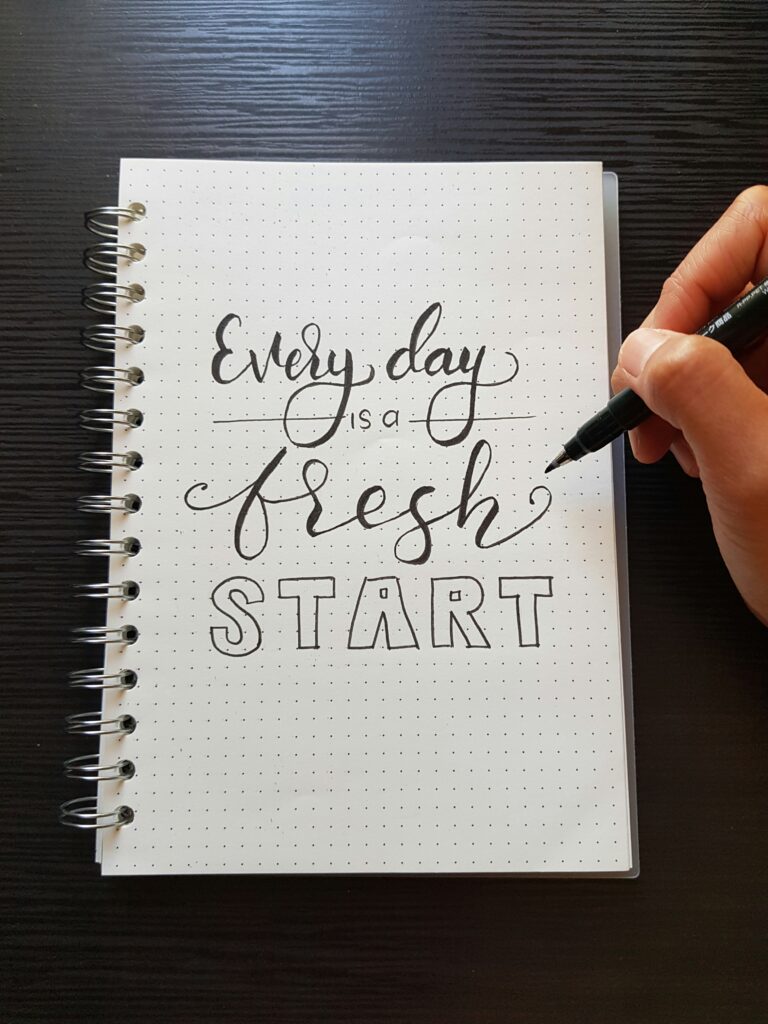
Spiritual self-care involves nurturing your inner self. Spend time in reflection, meditation, or prayer. These practices can provide a sense of peace, purpose, and connection to something greater than yourself.
2. Spend Time in Nature
Nature has a calming and rejuvenating effect on the mind and body. Whether it’s a hike in the mountains, a walk in the park, or simply sitting in your garden, make time to connect with the natural world regularly.
3. Practice Gratitude
Cultivating gratitude can shift your focus from what’s lacking to what’s abundant in your life. Keep a gratitude journal, reflect on positive experiences, or simply take a moment each day to acknowledge the things you are thankful for.

Conclusion
Self-care is a multifaceted practice that requires attention and intention. By incorporating physical, emotional, mental, and spiritual self-care into your routine, you can create a balanced and fulfilling life. Remember, self-care is a journey, not a destination. It’s about consistently making choices that nurture your well-being and empower you to live your best life. Start today, and make self-care a non-negotiable part of your daily routine. Your mind, body, and soul will thank you.


 Expel Coldness&Dampness